
Hiring a pro costs thousands
An average sealing job costs $1,000+ for one application and is needed EVERY 3 YEARS.
(500sq ft x $2 average)
The tools and guidance you need to seal and protect your own concrete and save thousands.

PROTECT YOUR INVESTMENT
An average sealing job costs $1,000+ for one application and is needed EVERY 3 YEARS.
(500sq ft x $2 average)

Acrylic, Xylene, Water or Solvent...what does this all mean?

What YouTube video should I follow? What if I get in over my head?
SEALING CONCRETE IS SIMPLE!
The gap holding you back
It isn't effort, and it isn't skill. What keeps most homeowners from sealing their own concrete is a gap — the tools, knowledge, and support a pro brings to every job. Close that gap and you do it right.
Professional-grade tools strong enough for all sealers. No guessing in the hardware aisle.
Don't learn everything, just what you need for your specific surface.
Stuck mid-project? Ask a real concrete professional and get an answer you need
One kit closes the gap.
Get My KitA Free 8 question analysis to uncover structural or sealer issues that will ensure a successful outcome.
Get the know-how you need in video and written guides walking you step-by-step to ensure a pro-like outcome. Don't learn everything there is to know about concrete, just what you need to know about your specific surface.
Know that your concrete is protected, you saved thousands and you know how to care for your concrete moving forward!

The system works
Silent video demonstration: concrete patio sealing in progress, showing the change in surface appearance as sealer is applied.
Bring the color back to a faded patio and help protect the space you actually live on from spills, sun, and standing water.
Get It Done
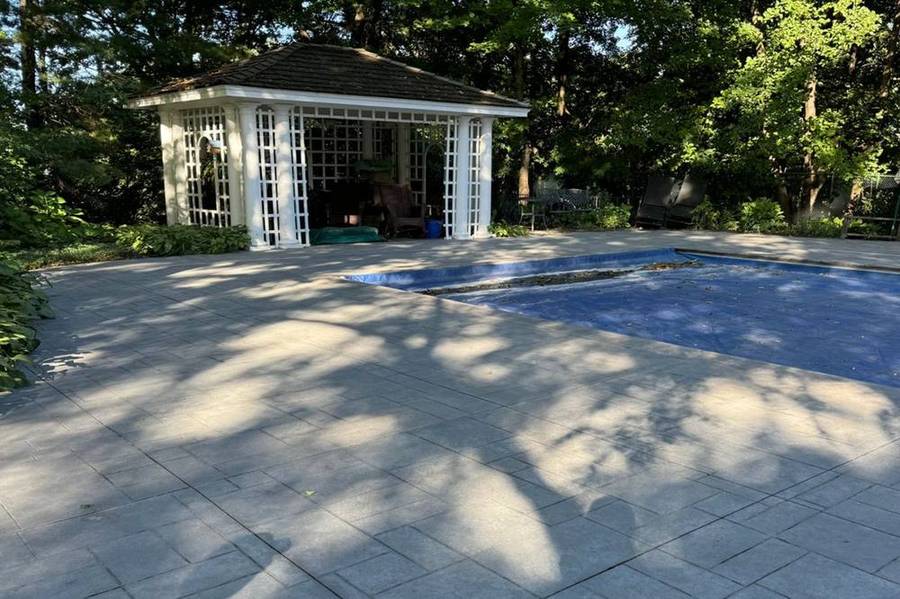
Pool decks deal with sun, splash-out, and pool chemicals. Your diagnosis accounts for the finish and traction a pool deck needs.
Get It Done
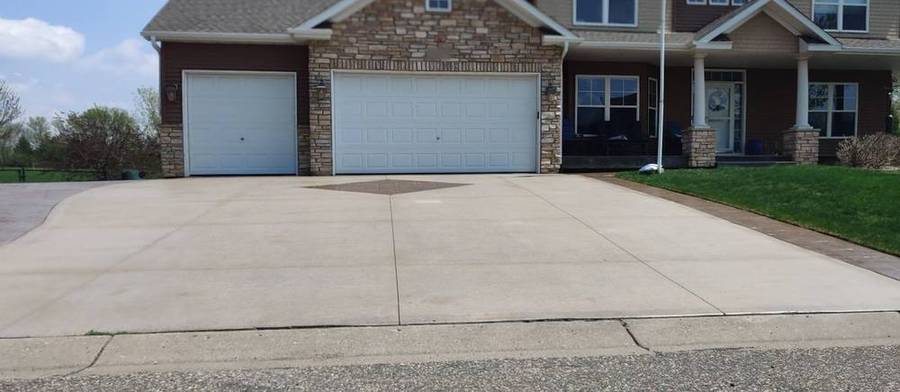
Your driveway takes more traffic, salt, and weather than any other slab you own. Sealing helps keep water and de-icing salt out and brings back a clean, even look.
Get It Done
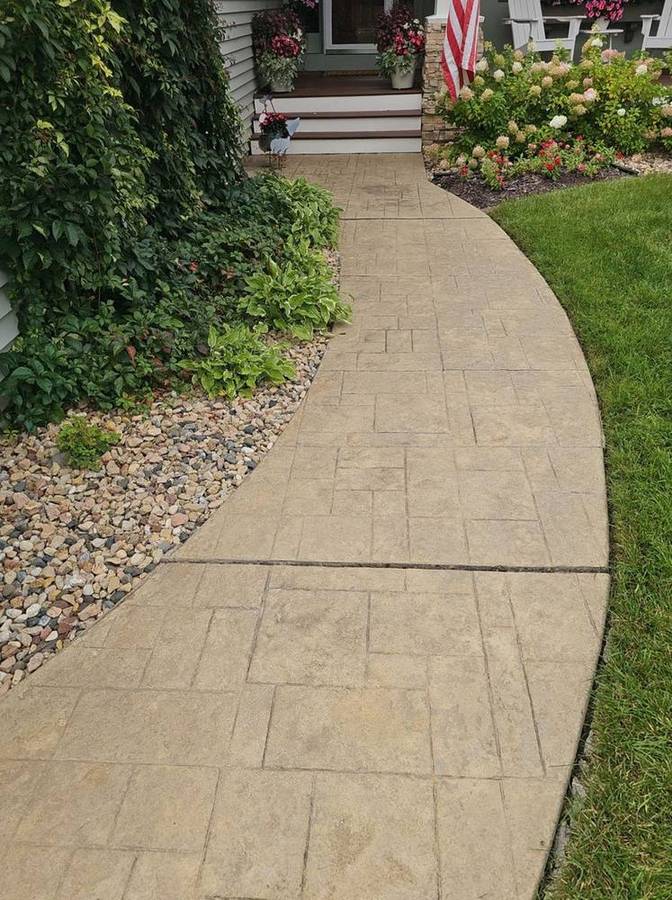
Walkways see foot traffic and de-icer every winter. A clean, sealed surface is easier to keep looking sharp.
Get It DoneSilent video demonstration of sealing concrete pavers and the finished surface appearance.
See how properly sealing concrete pavers brings out their natural color and helps protect the surface.
Get It DoneLeft unprotected

Best protection against the top layer popping loose and chips away, one winter at a time.

The wrong sealer, or one put on wrong, lets go and turns white and patchy.

Unprotected concrete drinks up rain, snowmelt, and runoff. More water equals more expansion when it freezes.

Shady, damp areas go dark and slick faster

Patchy color and marks that make the whole slab look tired.
why you can trust it
Sealing concrete isn't difficult. Our team does it for a living for homeowners who will never DIY or are too scared to do it themselves.
We charge thousands because we need to know every surface, keep inventory and pay for the equipment and team to do it at scale.
You don't need to know it all or pay for trailers full of equipment. You only need to understand your specific surfaces, learn it once and care for it once every 2-3 years. SIMPLE.
You get....
Questions
The kit's tools are built to be cleaned and reused, so the kit itself isn't limited to a set square footage. How far you get on each job depends on the sealer you buy.
The sprayer has a 4 L working fill (about 1.06 US gallons), with 5.4 L total tank volume. How much area a fill covers depends on the sealer manufacturer's application rate, the number of coats and how porous your concrete is. Follow the sealer label to estimate how much to buy.
No, and that's on purpose. The right sealer depends on your surface and the result you want: a natural look, a wet look, richer color, or deep water protection. Your free diagnosis recommends the type and amount, and you can pick it up at a store near you. That way you're never stuck with the wrong product.
No! The step-by-step videos and written guides walk you through cleaning, prep, and sealing for your specific surface. Once you learn the right way to do it, you'll wonder why you didn't do it yourself before.
The knowledge base comes with the kit. Tools without knowledge is risky. Knowledge without tools is risky. Having both is what gets you a pro result.
Learning the process is quick. The work itself depends on the size of your surface. For a typical driveway or patio, plan on:
Pick a dry stretch of weather with temperatures roughly between 50°F and 90°F, and always follow the directions on your sealer.
Yes! Old concrete needs love just as much as new concrete needs protecting so it lasts. Older surfaces may need extra cleaning. If yours has been sealed before, the new sealer has to be compatible with the old one; many solvent-based sealers, for example, can't go over water-based coatings. Your diagnosis asks about your surface's age and history so you buy the right product.
Brand-new surfaces need time first. Wait at least 30 days before applying a penetrating sealer to new concrete, and 90 days for pavers. Acrylic sealers can go on sooner, as early as 24 hours, but humidity and moisture levels affect drying time, so it's better to be safe. Your diagnosis checks your surface's age for you.
You'll have access to our knowledge base, which guides you through every step for your surface. For immediate help, our chat tool can answer questions as they come up.
where to Start
Tell us about your project and we'll send your kit recommendation and a step-by-step plan.